

One of the most compelling motivator of human behaviour is Curiosity. That urge to explore, to know, to learn and to discover has been the driver of almost all the significant achievement this world has witnessed. It has been a major element of human motivation even centuries ago.
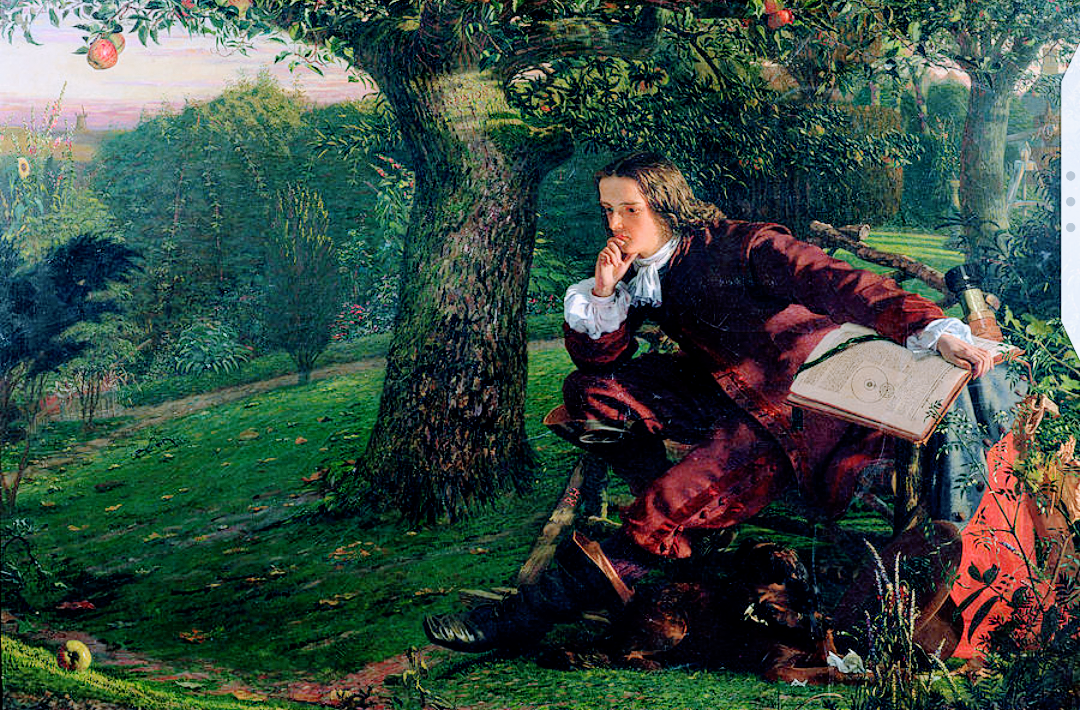
Curiosity has two important components. First is Observation and second is the Questions we ask on basis of that observation. We might say that we all are observing something or the other so why are we not making that great big change in human kind. Problem here is, what i am doing here is just seeing and labelling it as observing. Both are completely different things. Just because we are seeing something doesn’t mean we are observing. We all get up in the morning, open our eyes and start chasing the clock. We see so many things and move on without asking a question to our self to things that really matters. Asking questions like Why brushing teeth makes us feel refreshed? What does it mean to feel refreshed? Why the shoe lace we tie stays for so long? Or Why an apple fall on ground from tree?

We humans have a deeply curious nature, and more often than not it is about very minor things or scenarios in our lives. It because of our curiosity we are doing so many unproductive works like reading news about people we will never meet, learning topics we will never have use for, or exploring places we will never come back to. We just love to know the answers to things, even if there’s no obvious benefit or use.
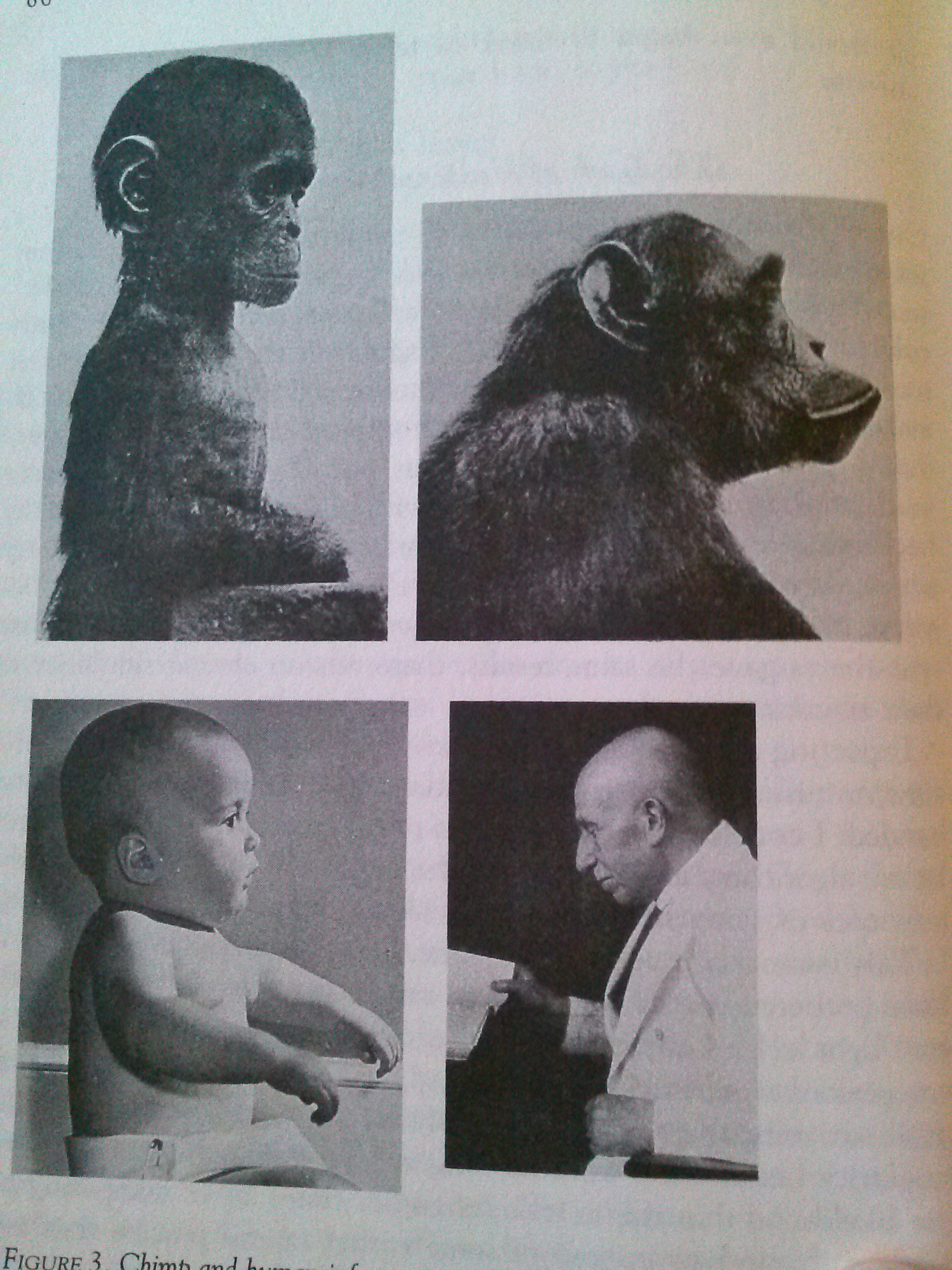
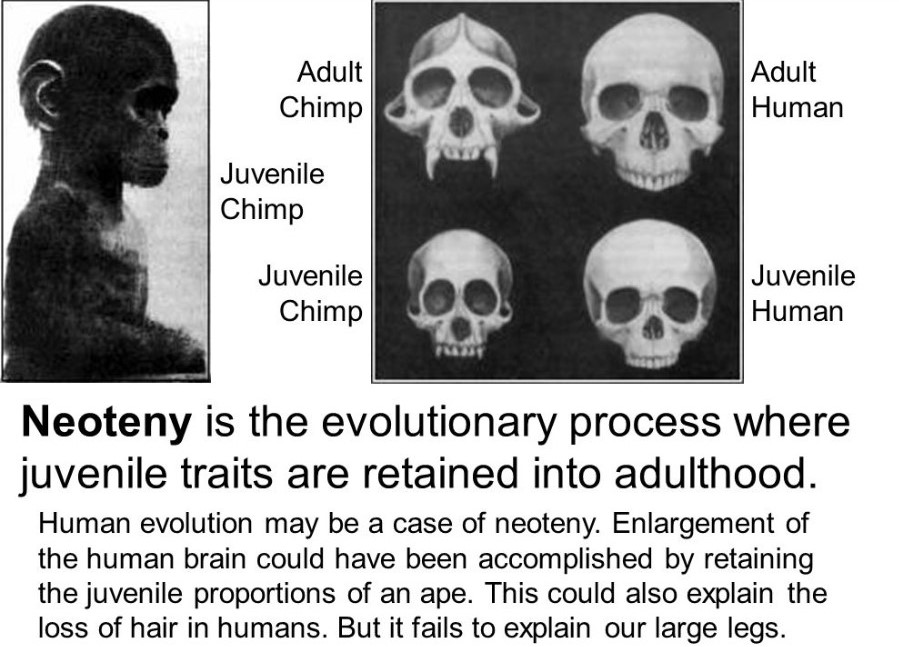
Our unique curiosity have deep links to a trait of the human species call neoteny. Neoteny is the condition in which an organism reaches maturity without loosing its juvenile characteristics. It means that as a species we are more child-like compared to other mammals. Being relatively hairless is one physical example that supports this statement strongly. A large brain relative to size of the body, is another. Our lifelong curiosity and playfulness is a behavioural characteristic of neoteny.
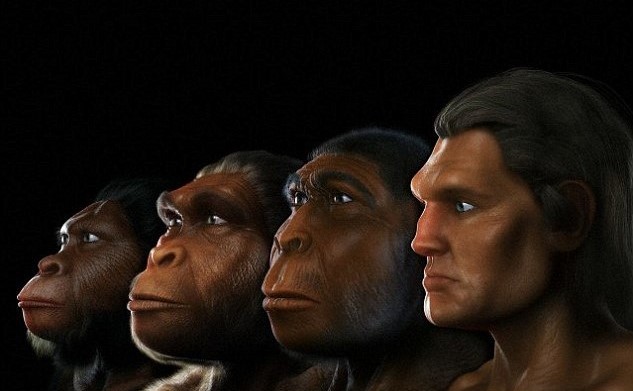
Many prominent evolutionary proposes, neoteny as a key feature in human evolution. Stephen Jay Gould believe that the “evolutionary story” of humans is one where we have been “retaining to adulthood the originally juvenile features of our ancestors”. J. B. S. Haldane mentions Gould’s hypothesis by stating a “major evolutionary trend in human beings” is “greater prolongation of childhood and retardation of maturity.
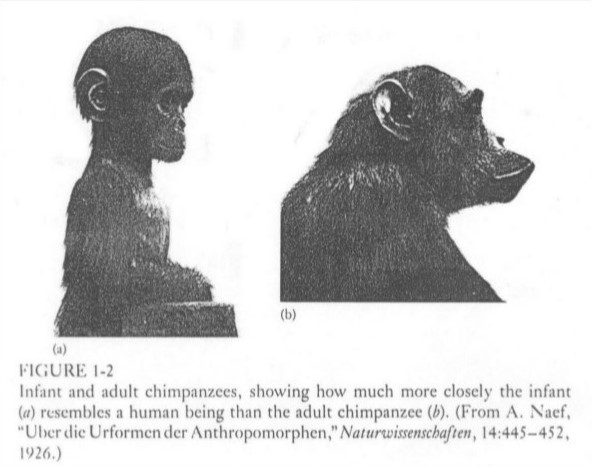
As adults, we share many of the physical features of a juvenile chimps. Our bone structures, flat faces and small jaws are very similar to those of juvenile chimps. Even our patchy distribution of hair. A slower rate of development may even have shaped our vaunted intelligence, by stretching out the time when we are most receptive to new skills and knowledge.
So yes, when somebody say don’t kill the children inside you. That somebody unknowingly is stating in terms of science and not just motivating you psychologically.
Subsequently, i will try to understand what is that feeling our brain percieve when we answer the question to the curious mind. After all, if we don’t gain anything or any action is not rewarded we feel demotivated. See! Another curiosity! Why do we need a reward? Reading this, you must be laughing at me. Wait a minute, What is laughing? Why do we laugh? I’ll stop this juvenile inside me asking questions for now and will come up with any “How” topic real soon.



 Curious Mind
Leave a comment